
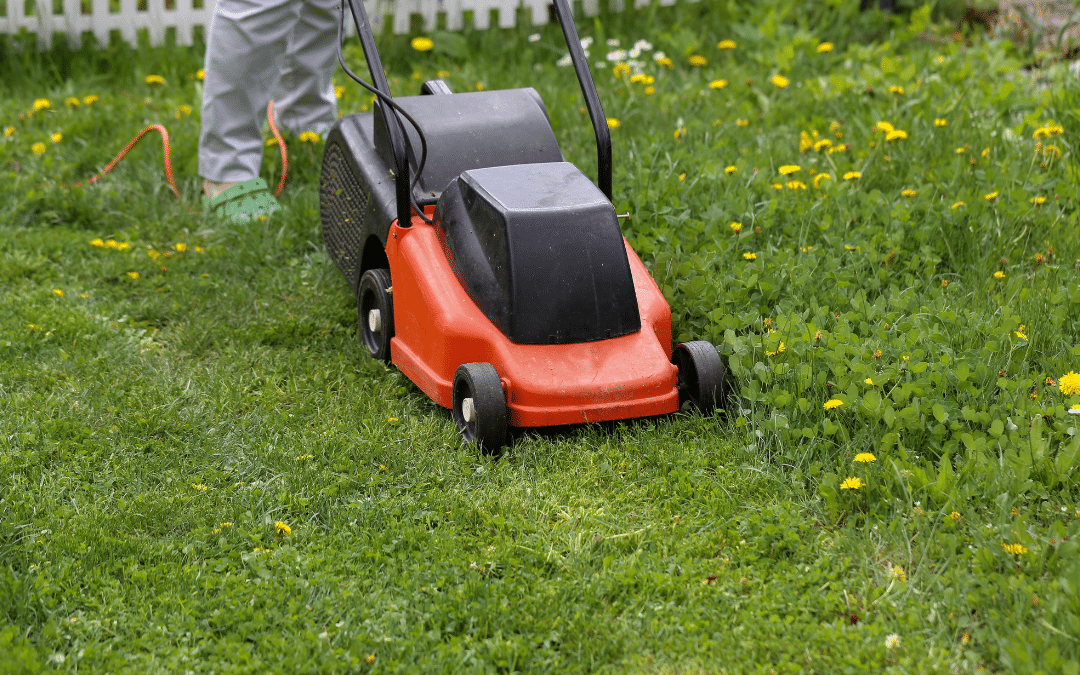
Spring in North Texas is a short window. Between the last frost in mid-March and the 100-degree days that start rolling through the DFW Metroplex in June, you have roughly 8 to 10 weeks to get your lawn in shape. Miss that window and your yard spends the rest of the summer playing catch-up.
Whether you live in Southlake, Grapevine, Keller, or anywhere else in the Mid-Cities, the same rules apply. The soil is warming, the grass is waking up, and the weeds are already plotting their takeover. This checklist will walk you through exactly what to do, when to do it, and why each step matters for a lawn that holds up through the Texas heat.
When to Start Spring Lawn Care in Texas
Timing is everything. Start too early and you risk damaging grass that is still dormant. Wait too long and you have already missed critical treatment windows for weed prevention and fertilization.
For most of the DFW area, spring lawn care should begin in *early to mid-March*. Here is how to gauge your timing:
- **Soil temperature matters more than the calendar.** When soil temps hit 55 to 60 degrees consistently at a 4-inch depth, warm-season grasses like Bermuda, St. Augustine, and Zoysia start actively growing. You can check local soil temps through the Texas A&M AgriLife Extension website.
- **Pre-emergent herbicide needs to go down before soil hits 55 degrees.** That means late February to early March in most years.
- **Do not mow dormant grass.** If your Bermuda is still brown and hasn’t started greening up, leave the mower in the garage.
A general rule: if you see new green growth pushing through the brown, your lawn is waking up and it is time to start.
The Complete Spring Lawn Care Checklist
Here is the full checklist, in order of priority.
1. Apply Pre-Emergent Herbicide (Early March)
This is the single most important step you can take in spring. Pre-emergent herbicide creates a barrier in the soil that prevents weed seeds from germinating. Once crabgrass and other annual weeds have sprouted, you are fighting an uphill battle all summer.
- Apply when soil temps reach 50 to 55 degrees at 4-inch depth
- Water it in lightly after application (about a quarter inch of irrigation)
- Do not aerate after application since it breaks the barrier
- If you missed the window, switch to a post-emergent product and spot-treat
Most DFW lawns benefit from a second application 8 to 10 weeks after the first.
2. Clean Up Winter Debris
Before you do anything else to the lawn itself, clear the deck.
- Rake up fallen leaves, dead branches, and any accumulated debris from winter storms
- Clear out flower beds and landscaping borders
- Remove any leftover holiday decorations or landscape fabric that has shifted
- Inspect your sprinkler heads for damage from freezing temps
A clean yard gives you better visibility into what your lawn actually needs and prevents debris from smothering new grass growth.
3. Inspect and Tune Your Irrigation System
North Texas water restrictions typically ease in spring, but your sprinkler system needs to be ready. A single broken head or misaligned zone can waste thousands of gallons while leaving parts of your lawn bone dry.
- Run each zone manually and check for broken heads, leaks, and uneven spray patterns
- Adjust sprinkler heads so water hits the lawn, not the sidewalk or driveway
- Check your controller schedule and update it for spring watering needs
- According to the EPA’s WaterSense program, the average American home uses more water outdoors than for showering and washing clothes combined
For most DFW lawns, watering twice per week for 20 to 30 minutes per zone is sufficient during spring. Increase frequency only when summer heat demands it.
4. Start Mowing at the Right Height
Once your grass is actively growing, it is time to mow. But height matters.
- Bermuda grass: Mow at 1.5 to 2 inches
- St. Augustine: Mow at 3 to 3.5 inches
- Zoysia: Mow at 1.5 to 2.5 inches
The first mow of the season can go slightly lower to remove dead top growth. After that, follow the one-third rule: never cut more than one-third of the grass blade height in a single mowing. Cutting too short stresses the root system and invites weeds.
Sharpen your mower blades at the start of the season. Dull blades tear grass instead of cutting it cleanly, which makes your lawn more vulnerable to disease.
5. Fertilize with the Right Product
Spring fertilization gives your lawn the nutrients it needs to build a strong root system before summer stress hits.
- Wait until your grass has been actively growing for 3 to 4 weeks before the first application
- For Bermuda and Zoysia, use a balanced fertilizer with a ratio like 15-5-10 or 16-4-8
- For St. Augustine, use a fertilizer with higher nitrogen content
- Apply at the rate specified on the bag. More is not better and can burn your lawn.
- Water in the fertilizer within 24 hours of application
Avoid fertilizing before heavy rain. Runoff carries nutrients into storm drains and local waterways.
6. Aerate Your Lawn (If Needed)
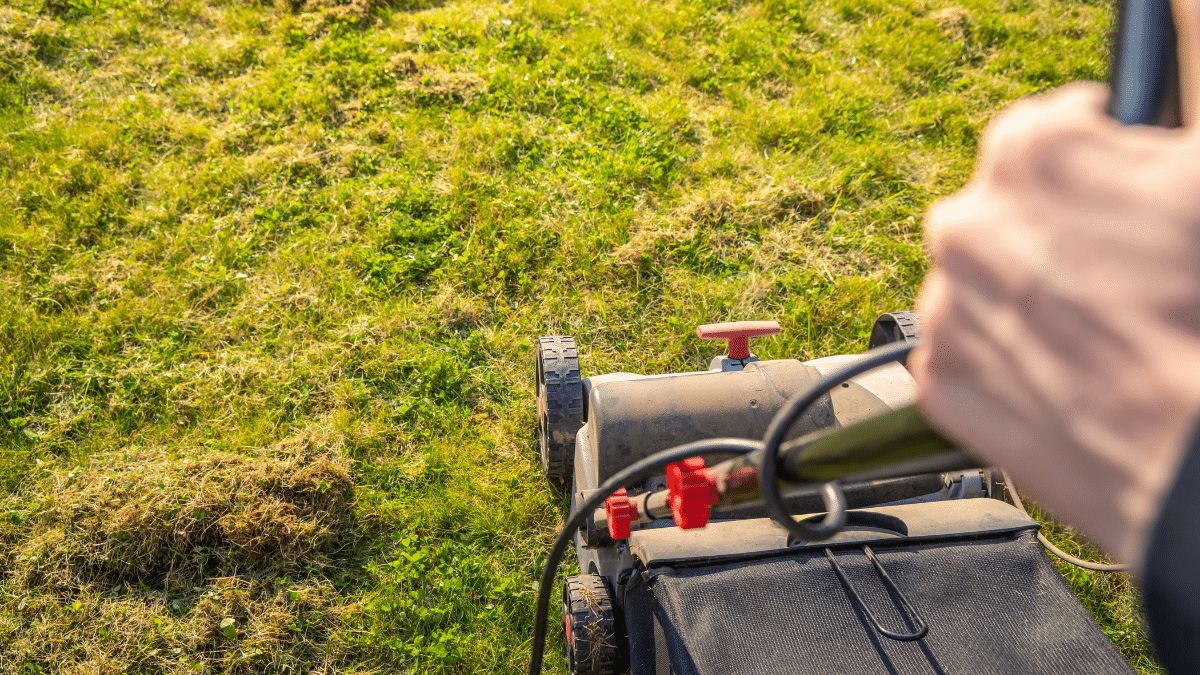
Aeration relieves soil compaction and allows water, air, and nutrients to reach the root zone more effectively. North Texas clay soil compacts easily, making aeration especially valuable.
- Best time: Late April through May, when warm-season grasses are growing vigorously
- Use core aeration (removes small plugs of soil), not spike aeration
- Do not aerate if you applied pre-emergent in the last 4 to 6 weeks
- Leave the soil plugs on the lawn. They break down naturally and return nutrients to the soil.
Lawns with heavy foot traffic, those growing in clay soil, or yards where water tends to pool on the surface benefit the most from aeration.
7. Address Bare or Thin Spots
Spring is the right time to fill in areas where grass is thin or missing entirely.
- For Bermuda lawns, the grass will naturally spread into thin areas with proper fertilization and watering
- For St. Augustine, consider laying sod in bare patches since it does not spread from seed effectively
- Top-dress thin areas with a thin layer of compost to encourage thicker growth
- Keep newly sodded or seeded areas consistently moist until established
If large sections of your lawn failed to come back from winter, it may indicate a deeper problem like grub damage, fungal disease, or irrigation issues.
Common Spring Lawn Mistakes to Avoid
Even experienced homeowners make these errors. Avoiding them can save you weeks of frustration.
Scalping the lawn too early. Some people mow Bermuda extremely low in early spring to remove dead material. While light scalping can work for established Bermuda lawns, doing it too early or too aggressively can damage the crowns and delay green-up.
Overwatering. Spring soil in North Texas holds moisture well. Overwatering creates shallow root systems and promotes fungal growth. Water deeply but infrequently.
Skipping pre-emergent. Once crabgrass and dandelions sprout, you cannot undo it with pre-emergent. This is a prevention step, not a cure.
Fertilizing too early. Feeding dormant grass does nothing for the lawn but does feed the weeds. Wait until you see consistent new growth.
Ignoring soil pH. North Texas soil tends to be alkaline (pH 7.5 to 8.5). A soil test every couple of years helps you understand whether your lawn needs sulfur amendments or specific micronutrients. Most county extension offices offer affordable soil testing.
When to Call a Professional
Some spring lawn care tasks are straightforward. Others require equipment, timing expertise, or product knowledge that goes beyond a weekend project.
Consider bringing in a professional lawn care team if:
- You are unsure of your grass type and what products are safe to use
- Your lawn has widespread weed or pest problems that spot treatments have not resolved
- You need core aeration but do not own or want to rent the equipment
- You want a comprehensive fertilization and weed control program tailored to your specific soil conditions
- Time is a factor and you would rather spend your weekends enjoying the yard instead of maintaining it
For homeowners in DFW, our team handles spring lawn care, ongoing maintenance, and seasonal treatments designed for the DFW climate. We offer free estimates within 24 hours.
Get Your Lawn Ready Now
Spring in North Texas does not wait. The difference between a lawn that thrives through summer and one that struggles comes down to what you do in March, April, and May. Follow this checklist, stay consistent with watering and mowing, and you will be ahead of most of your neighbors before Memorial Day.
If you would rather hand the work off to a team that knows DFW lawns, reach out. We will put together a plan that fits your property and your budget.