
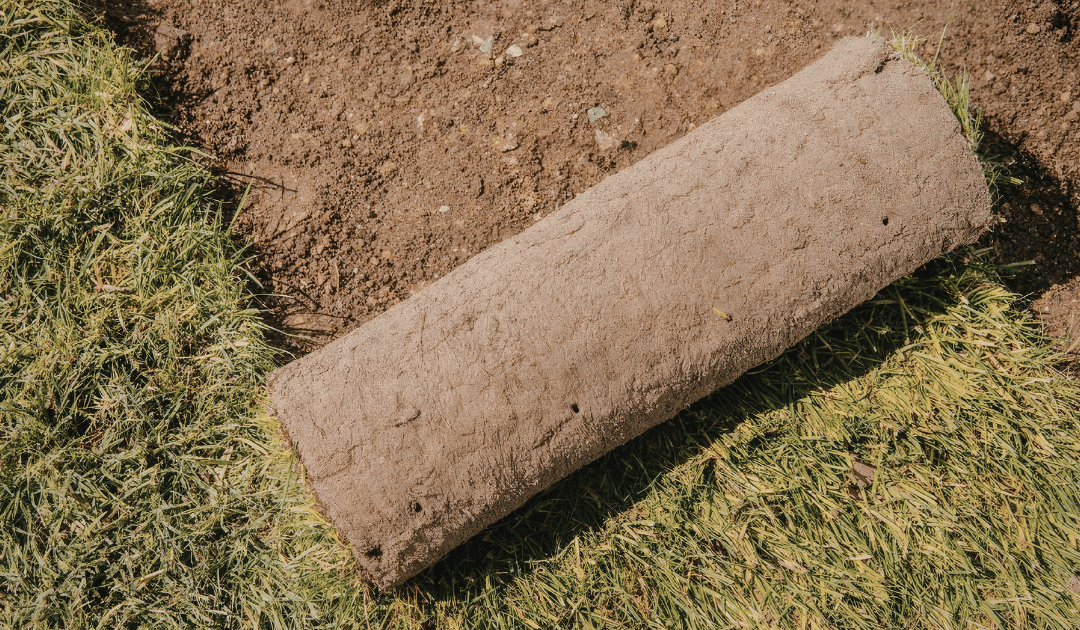
Spring is the perfect season to establish a new lawn in Texas, and one of the fastest ways to achieve a lush, green yard is by laying sod. But many homeowners wonder, how to lay sod correctly to ensure it takes root and thrives during the Texas heat. Laying sod may seem straightforward, but without proper preparation, timing, and care, even premium turf can struggle.
In this guide, we’ll walk you through all the steps—from selecting the right grass type for Texas to preparing soil, installing sod, watering properly, and maintaining it during the critical first few weeks. By following these steps, you can enjoy a strong, healthy lawn that thrives all spring and sets the foundation for summer resilience.
Why Spring Is the Ideal Time to Lay Sod in Texas
Texas springs offer:
- Moderate temperatures
- Adequate rainfall
- Longer daylight hours
These conditions help newly laid sod establish roots before the intense summer heat arrives. Laying sod too early, when soil is still cold, or too late, when temperatures spike, can stress the grass and slow root development.
Benefits of Laying Sod vs. Seeding
- Instant green lawn
- Fewer weeds compared to seed
- Uniform coverage
- Erosion control on slopes
Sod provides immediate aesthetic improvement while giving your lawn a head start for the growing season.
Choosing the Right Grass Type for Texas
Texas lawns mainly use warm-season grasses, which thrive in spring and summer. Your sod choice impacts watering, mowing, and maintenance.
Common Texas Sod Options
Bermuda Grass:
- Very heat-tolerant
- Fast-growing and dense
- Best for sunny areas
St. Augustine Grass:
- Thrives in partial shade
- Coarse texture, rich green color
- Slower to establish than Bermuda
Zoysia Grass:
- Medium shade tolerance
- Dense, soft blades
- Slower-growing but durable
When selecting sod, consider sun exposure, soil type, and irrigation access. Proper selection reduces transplant shock and long-term maintenance needs.
Preparing Your Soil Before Laying Sod
Proper soil preparation is crucial for sod survival. Spring in Texas is ideal, but only if the ground is ready.
Steps to Prepare Soil
- Clear the Area: Remove old grass, weeds, rocks, and debris.
- Test the Soil: A soil test identifies pH levels and nutrient deficiencies. In Texas, warm-season grasses prefer slightly acidic soil (pH 6–7).
- Till and Loosen Soil: Loosen the top 4–6 inches for root penetration.
- Amend as Needed: Add compost or soil conditioner to improve drainage and fertility.
- Level the Area: Smooth out low spots to avoid pooling water after sod installation.
Well-prepared soil helps the sod root quickly and reduces future maintenance headaches.
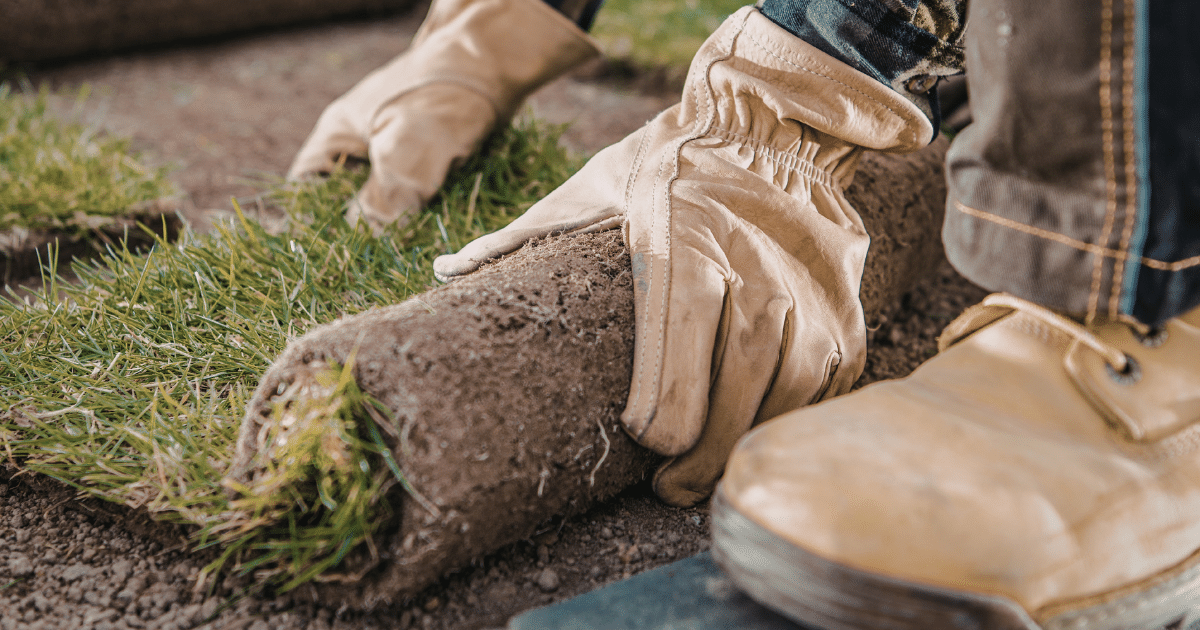
Step-by-Step Guide: How to Lay Sod
1. Plan the Layout
- Start along a straight edge (driveway, sidewalk, or patio).
- Stagger seams like brickwork for stronger establishment.
2. Lay the First Row
- Unroll sod carefully, keeping edges tight.
- Avoid overlapping or leaving gaps larger than 0.5 inches.
3. Cut to Fit
- Use a sharp knife to fit sod around curves, trees, or obstacles.
- Keep pieces uniform for a smooth, professional look.
4. Roll the Sod
- Use a lawn roller to press sod onto soil.
- Rolling eliminates air pockets and ensures good root-to-soil contact.
5. Water Immediately
- Newly laid sod requires generous initial watering to moisten soil beneath.
- In Texas spring, early morning watering is best to reduce evaporation.
Watering and Maintenance After Laying Sod
New sod roots must stay moist for the first 2–3 weeks. Overwatering or underwatering can both be harmful.
Recommended Schedule
- Week 1: Water 2–3 times daily, keeping soil damp.
- Week 2: Water once daily, morning only.
- Week 3: Gradually reduce frequency; water deeply to encourage deep root growth.
Avoid heavy foot traffic until roots are established (usually 3–4 weeks in Texas spring).
Mowing Your New Sod
When to Mow
- Wait until grass reaches 3–4 inches.
- Follow the one-third rule: never remove more than one-third of blade length at a time.
Mower Settings by Grass Type
- Bermuda: 1–2 inches
- St. Augustine: 2.5–4 inches
- Zoysia: 1.5–2.5 inches
Proper mowing encourages lateral growth and reduces stress on newly rooted sod.
Fertilizing Newly Laid Sod
Initial Fertilization
- Apply a starter fertilizer with higher phosphorus to support root development.
- Avoid excessive nitrogen early—it promotes leaf growth over root establishment.
Follow-Up Applications
- Once roots take hold (3–4 weeks), transition to a balanced fertilizer.
- Spring in Texas is ideal for the first major fertilization to promote strong growth before summer.
Common Mistakes to Avoid When Laying Sod
- Skipping soil prep: Sod without proper soil contact struggles to root.
- Uneven watering: Too much or too little can kill sod or encourage shallow roots.
- Laying over frozen or overly wet soil: Both prevent proper root establishment.
- Ignoring mowing rules: Cutting too short stresses new grass.
Benefits of Proper Sod Installation in Spring
- Faster establishment than seeding
- Immediate aesthetic improvement
- Reduced weed competition
- Strong root system before summer heat
- Long-term lawn resilience
Spring in Texas provides the ideal combination of temperature, daylight, and rainfall to maximize these benefits.
Professional Considerations
While homeowners can lay sod themselves, professionals can ensure:
- Proper soil testing and amendments
- Correct grass selection for your site
- Efficient installation to reduce seams and gaps
- Watering and fertilization schedule for optimal spring growth
A professional plan can reduce trial-and-error and save time, especially in larger yards.
FAQs About Laying Sod in Texas
Q: How quickly will my sod root in Texas spring?
A: Typically 2–3 weeks with proper watering and soil prep.
Q: Can I lay sod over existing grass?
A: It’s better to remove old grass for root contact and uniform growth.
Q: When should I fertilize new sod?
A: Use a starter fertilizer during installation and a balanced fertilizer 3–4 weeks later.
Q: How often should I water sod?
A: Keep soil moist daily for the first 2–3 weeks, then transition to deep, less frequent watering.
Q: Can I walk on sod immediately?
A: Avoid heavy foot traffic for 3–4 weeks until roots establish.
Set Your Lawn Up for Success This Spring
Spring in Texas is the best season to install sod. When you follow proper soil prep, choose the right grass type, lay sod carefully, and maintain watering and mowing schedules, your lawn establishes quickly and thrives during the summer heat.
Every lawn is different. Soil type, shade, and existing conditions all affect root growth and health. Paying attention to these details ensures long-term success.
If keeping up with watering schedules, fertilization, and maintenance seems overwhelming, professional lawn care services can simplify the process. Goat Kings Landscaping offers seasonal lawn care programs to help new sod establish properly and maintain a lush, healthy lawn all spring and summer.