
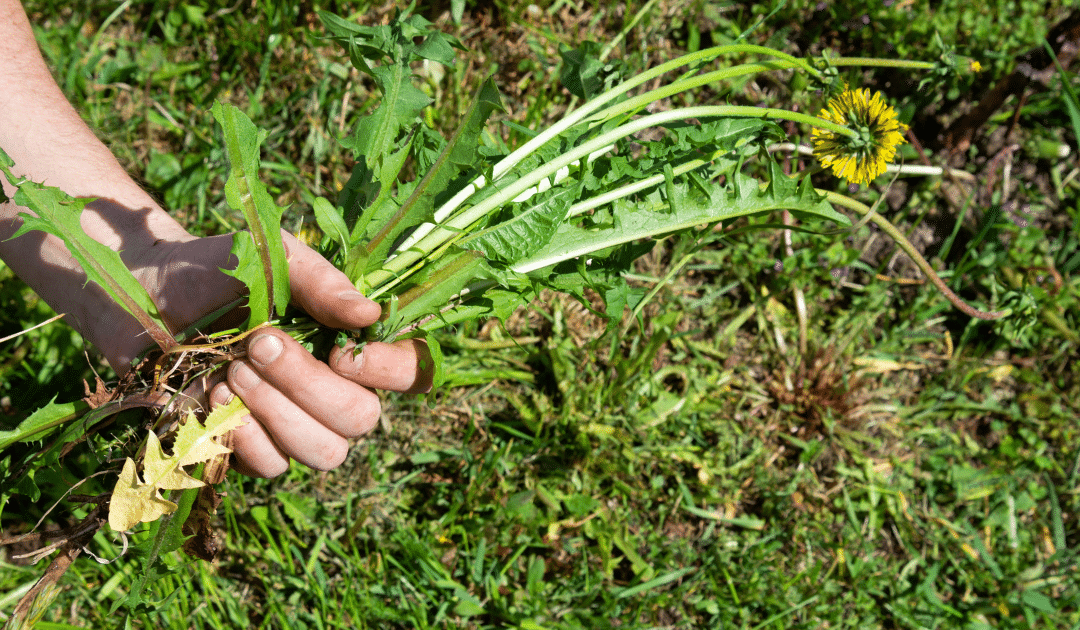
Spring in Texas is a beautiful season, but it also marks the time when weeds start invading lawns. Understanding the types of weeds in lawns and how to manage them is essential for homeowners aiming to maintain a thick, green, and healthy yard.
Weeds compete with grass for nutrients, water, and sunlight. If left unchecked, they can quickly take over, creating unsightly patches and weakening your lawn’s overall health. Texas lawns are home to a variety of weed species, and each has its own growth habits and control methods.
In this guide, we’ll cover the most common weeds in Texas lawns during spring, explain how to identify them, and provide practical prevention and treatment strategies. By the end, you’ll have a solid plan to maintain a weed-free lawn all season long.
Why Texas Lawns Are Prone to Weeds in Spring
Texas climate plays a big role in weed growth. Spring brings:
- Increasing soil temperatures
- Consistent rainfall
- Longer daylight hours
These conditions allow both desirable grass and weeds to grow quickly. Warm-season grasses like Bermuda, St. Augustine, and Zoysia are actively growing in spring, but weeds often outcompete young or thin turf if preventive care isn’t taken.
Key factors that make Texas lawns prone to weeds include:
- Soil Compaction: Crowded roots provide weak areas where weeds thrive.
- Thin Turf: Bare spots are ideal weed germination sites.
- Overwatering or Underwatering: Both stress grass and give weeds a competitive advantage.
Common Types of Weeds in Texas Lawns
Weeds in Texas are often divided into broadleaf weeds and grass-like weeds. Each requires slightly different management strategies.
Broadleaf Weeds
Broadleaf weeds have wide leaves and often flower. They can spread quickly if left uncontrolled.
1. Dandelions
- Bright yellow flowers in spring
- Taproot system
- Often found in thin turf or bare spots
- Control: Pull manually or use selective broadleaf herbicides
2. Clover (White and Red)
- Low-growing, green leaves in clusters of three
- Tolerates mowing well
- Often spreads in compacted soil or nutrient-poor areas
- Control: Maintain thick turf and consider broadleaf herbicide if overgrown
3. Chickweed
- Small, white flowers and sprawling growth
- Thrives in cooler spring temperatures
- Can form dense mats in shaded areas
- Control: Hand-pulling or early spring pre-emergent herbicide
4. Henbit
- Purple flowers in early spring
- Square stems typical of the mint family
- Common in disturbed soil or thin lawns
- Control: Pre-emergent herbicides in late winter or early spring
Grass-Like Weeds
Grass-like weeds resemble turfgrass but grow differently. They are often harder to control because they tolerate mowing.
1. Crabgrass
- Light green, spreading growth
- Germinates in spring when soil temperature reaches ~55°F
- Thrives in thin or bare areas
- Control: Pre-emergent herbicides applied before germination; post-emergent herbicides if already sprouted
2. Goosegrass
- Gray-green, coarse blades
- Forms dense clusters in compacted soil
- Control: Pre-emergent in early spring and manual removal in small areas
3. Nimblewill
- Thin, creeping grass with light green coloration
- Often invades shaded lawns
- Control: Selective herbicides and overseeding with preferred grass species
Identifying Weeds vs. Grass in Your Lawn
Correct identification is key to effective weed management. Spring in Texas is an ideal time to inspect your lawn.
Tips for Identification
- Look at leaf shape: broadleaf vs. narrow blade
- Observe growth habit: spreading mat vs. upright clumps
- Check for flowers or seed heads
- Note shade tolerance: some weeds thrive only in shaded spots
When you know what you’re dealing with, you can select the proper herbicide or removal technique.
Preventing Weeds in Texas Lawns
Prevention is always easier than treatment. Following these steps can reduce weed pressure this spring:
- Maintain Thick Turf: Overseed bare spots or apply sod to reduce open soil areas.
- Proper Mowing: Follow the one-third rule; don’t cut too short.
- Balanced Fertilization: Healthy grass outcompetes weeds.
- Regular Watering: Deep, infrequent watering encourages strong roots.
- Soil Testing: Correct pH or nutrient imbalances to strengthen turf.
Treatment Options for Common Weeds
Manual Removal
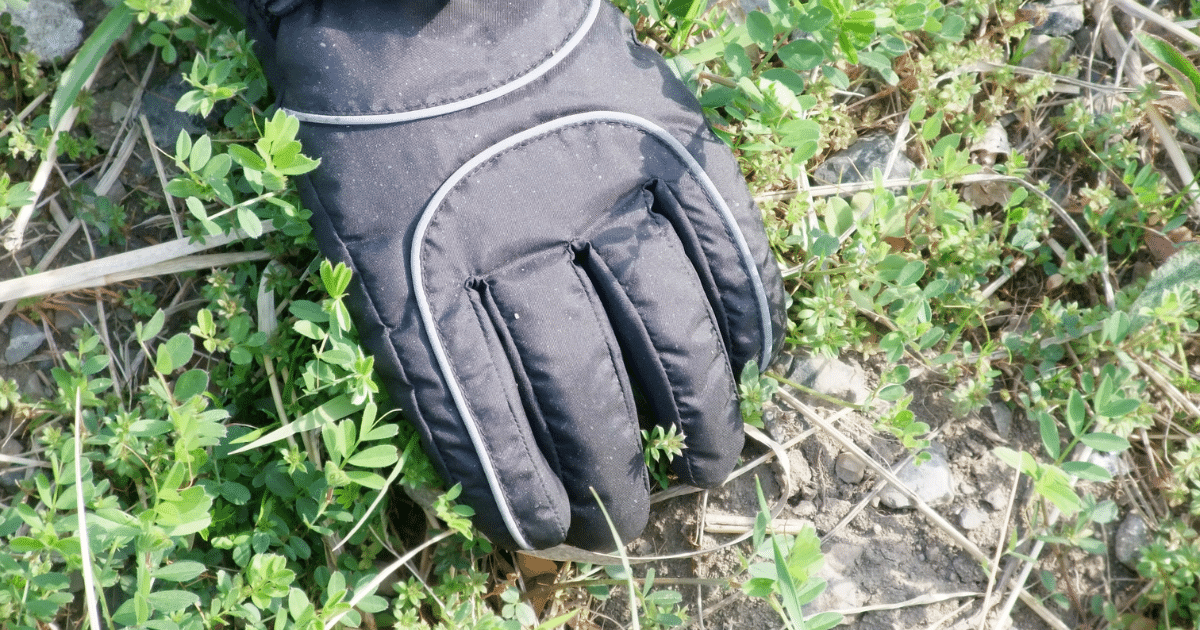
- Effective for small infestations
- Especially useful for dandelions or chickweed
Chemical Control
- Selective Herbicides: Kill weeds without harming grass
- Non-Selective Herbicides: Use carefully on hardscapes or before new sod
- Pre-Emergent Herbicides: Prevent seeds from germinating in spring
Tip for Texas lawns: Always check product labels for your specific grass type. Warm-season grasses are more sensitive to some herbicides in early spring.
Spring Timing Considerations
Timing matters for controlling weeds in Texas:
- Pre-Emergent Herbicides: Apply late winter to early spring, before soil reaches 55°F
- Post-Emergent Treatments: Apply when weeds are actively growing, usually mid to late spring
- Fertilization: Coordinated with weed control to strengthen turf
- Mowing Adjustments: Higher mowing height can shade out weed seedlings
Long-Term Lawn Health Tips
- Rotate herbicides to avoid resistance
- Monitor for invasive species each spring
- Aerate compacted soil to improve root development
- Overseed thin areas after weed removal
- Maintain irrigation schedules adapted to Texas spring rainfall
Consistent care reduces weed problems year after year.
Common Mistakes to Avoid
- Applying herbicides too early (dormant weeds won’t absorb them)
- Overwatering or underwatering
- Skipping soil testing and fertilization
- Ignoring thin or bare spots where weeds establish
Benefits of Managing Weeds in Spring
- Healthier, thicker turf
- Fewer bare spots
- Reduced competition for water and nutrients
- Less mowing and maintenance later in summer
- Aesthetic improvement for your Texas yard
Proper weed management in spring sets the foundation for a strong, resilient lawn all season.
Professional Lawn Care Considerations
Many Texas homeowners benefit from professional assistance in spring weed control:
- Soil testing and fertilization planning
- Proper timing and application of herbicides
- Preventive programs tailored for grass type and local climate
- Seasonal monitoring to prevent weed outbreaks
Goat Kings Landscaping offers comprehensive lawn care maintenance programs that combine fertilization, mowing, and weed control—ideal for homeowners wanting a consistent, healthy lawn throughout spring and beyond.
Frequently Asked Questions
Q: When should I treat weeds in Texas lawns?
A: Early spring is best for pre-emergent treatments, while actively growing weeds should be treated mid to late spring.
Q: Can I use one herbicide for all weeds?
A: No; broadleaf and grass-like weeds often require different herbicides.
Q: How often should I inspect my lawn for weeds?
A: Weekly in spring, especially after rain.
Q: Are there organic options for weed control?
A: Yes; manual removal, corn gluten meal, and targeted organic herbicides are available.
Q: How do I prevent weeds without chemicals?
A: Maintain thick turf, mow properly, water deeply, and address bare spots.
Take Control of Weeds This Spring
Spring in Texas provides ideal conditions for both grass and weeds. By identifying the most common types of weeds in your lawn, applying prevention and treatment strategies, and maintaining healthy turf through proper mowing, watering, and fertilization, you can reduce competition and enjoy a lush, green lawn all season.
Every lawn is unique. Soil type, grass species, shade, and drainage all influence which weeds may appear and how quickly they spread. Observing your lawn and acting promptly ensures that spring weeds don’t take over.
For homeowners looking to simplify this process, professional lawn care maintenance can be invaluable. Goat Kings Landscaping offers seasonal programs that combine fertilization, mowing, and targeted weed control, helping Texas lawns thrive throughout spring and summer without the stress of trial-and-error management.