

Top 5 Signs Your Landscape Needs Professional Maintenance
Most homeowners can tell when something is off with their yard. The hedges look a little wild, the flower beds are more weed than flower, and the lawn has developed that uneven, patchy look that no amount of weekend mowing seems to fix. But there is a difference between a yard that needs a Saturday afternoon of work and one that needs professional landscape maintenance to get back on track.
Knowing when to hire a landscaping company can save you time, money, and frustration. Some landscape issues are easy to overlook until they become expensive problems. Others are simply too time-consuming or specialized for the average homeowner to handle effectively on their own.
If any of these five signs sound familiar, they may be clear signs you need a landscaper to help restore and maintain your property.
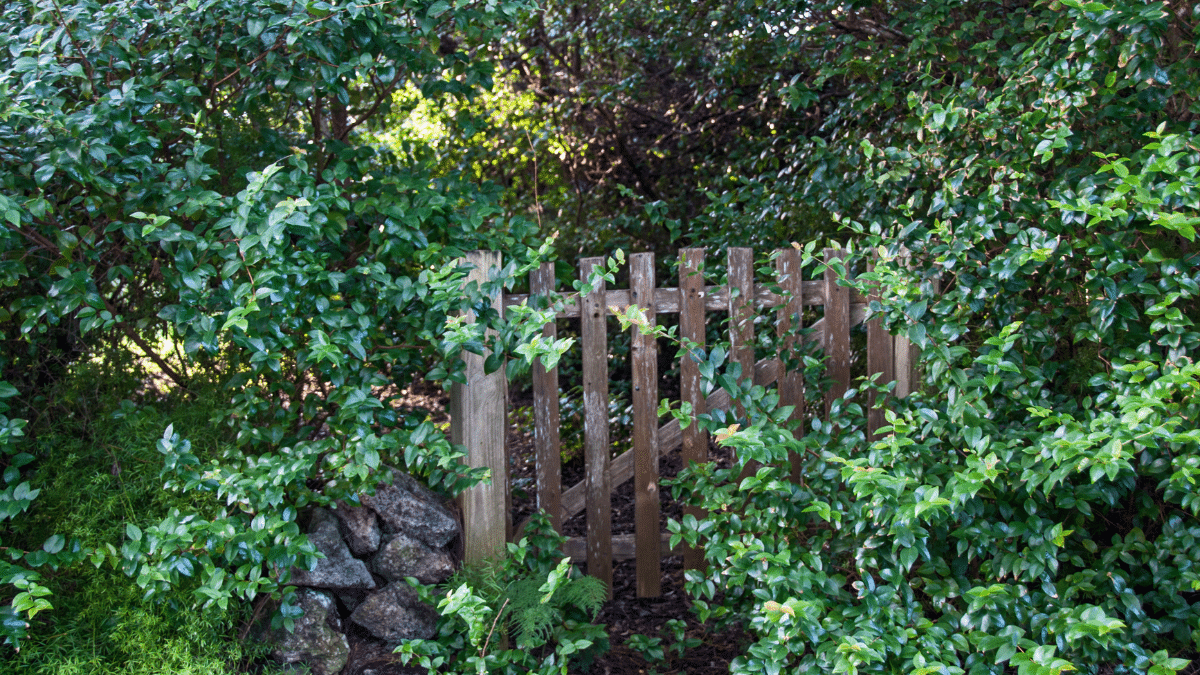
Sign 1: Your Shrubs and Trees Are Overgrown and Shapeless
Overgrown shrubs are one of the most visible signs you need a landscaper. In North Texas, plants like Indian Hawthorn, Yaupon Holly, Boxwood, and Crape Myrtle can grow aggressively during spring and summer. Without regular pruning, they lose their shape, block windows, crowd walkways, and start encroaching on the house foundation.
Why This Matters Beyond Appearance
- Safety: Overgrown shrubs near the front door or along walkways create hiding spots and reduce visibility. This is a security concern, especially at night.
- Property damage: Branches pressing against siding, fences, or roof eaves trap moisture and accelerate rot. Tree limbs that overhang the roof can damage shingles during storms.
- Plant health: Dense, unpruned growth restricts airflow through the interior of the plant. In the humid DFW climate, this creates conditions for fungal diseases and pest infestations.
- Lawn competition: Overgrown trees and shrubs cast excessive shade on the lawn, causing turf to thin and weaken in areas that previously received adequate sunlight.
What a Professional Does Differently
A professional landscaping company does not just hack shrubs back to a uniform shape. Proper pruning involves understanding each plant’s growth habit, knowing which branches to remove for health vs. aesthetics, and timing the work to avoid stressing the plant during the wrong season. For example, Crape Myrtles should never be “topped” (a practice sometimes called “crape murder”), and live oaks in DFW should only be pruned during specific months to reduce the risk of oak wilt disease.
Sign 2: Your Lawn Has Persistent Bare Spots or Uneven Growth
Every lawn develops the occasional thin spot. A heavy piece of furniture sat in one place too long, the dog has a favorite corner, or a sprinkler head is not covering an area properly. Those are easy fixes.
The sign you need a landscaper is when bare spots keep coming back in the same areas, or when your lawn grows at noticeably different rates across the yard despite consistent mowing and watering.
Common Causes That Require Professional Diagnosis
- Soil compaction: Heavy foot traffic, vehicles parking on the lawn, or clay soil that has not been aerated in years can compact to the point where grass roots simply cannot grow. This requires core aeration with professional equipment, not the spike aerators sold at hardware stores.
- Grub damage: White grubs (the larvae of June beetles and other species) feed on grass roots below the surface. The damage shows up as irregular brown patches that peel up like carpet when pulled. Treatment requires proper identification and timing of insecticide application.
- Fungal disease: Brown patch, take-all root rot, and gray leaf spot are common in DFW lawns. These diseases create circular or irregular dead areas that expand over time. Over-the-counter fungicides often provide only temporary relief because the underlying conditions (drainage, thatch buildup, soil pH) remain unaddressed.
- Irrigation gaps: Sprinkler systems develop coverage gaps over time as heads shift, nozzles clog, and water pressure changes. A professional irrigation audit identifies exactly where coverage is failing, which explains why some areas stay green while others struggle.
The Cost of Waiting
Bare spots that go unaddressed become weed nurseries. Crabgrass, spurge, and other opportunistic weeds colonize open soil within weeks. Once established, these weeds compete with the turf for water and nutrients, making the problem progressively harder to fix.
Sign 3: Your Flower Beds Are More Weeds Than Plants
Weed-choked flower beds are not just an aesthetic issue. They signal that the landscape’s maintenance cycle has fallen behind, and getting it back under control requires more than pulling a few weeds on a Saturday morning.
Why Flower Bed Weeds Get Out of Control
- Mulch breakdown: Mulch is the first line of defense against weeds in flower beds. In North Texas, mulch decomposes faster than in cooler climates due to the heat and microbial activity in our soil. A 3-inch layer of hardwood mulch applied in March can thin to less than an inch by July, exposing bare soil where weed seeds germinate immediately.
- Expired pre-emergent: Pre-emergent herbicides applied to flower beds in early spring wear off after 3 to 4 months. Without a second application in late spring or early summer, weeds break through.
- Irrigation overspray: Flower beds that receive excess water from sprinkler overspray grow weeds faster than beds with targeted drip irrigation.
What Professional Maintenance Includes
A professional landscape maintenance program includes regular bed weeding, mulch replenishment on a schedule (typically twice per year in North Texas), pre-emergent herbicide applications timed to the season, and edging along bed borders to prevent turf grass from creeping in. Most homeowners do one or two of these tasks inconsistently. Professionals do all of them on a recurring schedule, which prevents the cycle of neglect and catch-up that makes flower beds look worse over time.
The Texas A&M Earth-Kind Landscaping program recommends using 3 to 4 inches of native mulch in flower beds as a foundation for low-maintenance landscapes in North Texas. When maintained consistently, mulched beds require significantly less weeding, watering, and chemical treatment.
Sign 4: You Spend More Time on Yard Work Than You Want To
This one is less about what your yard looks like and more about how it affects your life. If maintaining your landscape has become a recurring source of stress or if it takes up every weekend, that is a practical sign that professional maintenance is worth considering.
When DIY Lawn Care Stops Making Sense
- Time investment: A typical residential lot in Southlake, Grapevine, or Keller requires 2 to 4 hours of maintenance per week during the growing season (April through October). That includes mowing, edging, trimming, weeding flower beds, and managing the irrigation system. Over a 7-month growing season, that is roughly 60 to 120 hours of labor.
- Equipment costs: A quality lawn mower, string trimmer, edger, blower, hedge trimmer, and basic hand tools represent a $1,500 to $3,000 investment that requires annual maintenance (blade sharpening, oil changes, filter replacements, fuel). Many homeowners also spend $200 to $500 per year on fertilizers, herbicides, and mulch.
- Physical demands: Mowing in 100-degree heat is not just unpleasant. It is a genuine health risk. Heat-related illness is a real concern during DFW summers, and the physical toll of weekly yard work adds up over the season.
What Professional Service Costs vs. What It Saves
Professional lawn and landscape maintenance for a typical Mid-Cities residential property ranges from $150 to $400 per month depending on the scope of services. When you factor in the time savings, equipment costs, and the consistent quality of a trained crew, many homeowners find that professional service costs roughly the same as doing it themselves while freeing up significant personal time.
Homeowners in the Southlake area often have larger lots with more extensive landscaping, which makes the time savings even more significant. A professional crew can complete in 45 minutes what might take a homeowner 3 to 4 hours.
Sign 5: Your Property’s Curb Appeal Has Declined Noticeably
Sometimes the clearest signs you need a landscaper is stepping back and looking at your property from the street. If the landscape looks noticeably worse than it did a year ago, or if it compares poorly to neighboring properties, the cumulative effect of deferred maintenance is showing.
What Curb Appeal Decline Looks Like
- Uneven lawn edges along driveways, sidewalks, and flower beds
- Faded or depleted mulch exposing bare soil and landscape fabric
- Dead or dying plants that have not been replaced
- Overgrown ground cover that has escaped its borders and is creeping across walkways
- A general lack of definition between lawn areas, planting beds, and hardscape features
- Irrigation system issues visible from the street (dry spots, runoff down the driveway, broken sprinkler heads spraying sideways)
Why Curb Appeal Matters More Than You Think
According to the National Association of Landscape Professionals, professional landscaping can increase a home’s value by 10 to 12 percent. More importantly, a well-maintained landscape creates an immediate positive impression that affects how neighbors, visitors, and potential buyers perceive your property.
In competitive North Texas neighborhoods where homes frequently sell above asking price, curb appeal is not optional. It is part of protecting your investment.
The Compounding Effect of Deferred Maintenance
Landscape maintenance works on a compounding cycle. When you stay on top of it, each maintenance visit is relatively quick and inexpensive because there is less to correct. When maintenance falls behind, each task takes longer, costs more, and the landscape deteriorates faster.
A landscape that has been neglected for 6 to 12 months often requires a significant restoration effort (major pruning, reseeding or resodding bare areas, full mulch replacement, deep bed weeding) before it can return to a normal maintenance cycle. That restoration is almost always more expensive than the cumulative cost of consistent monthly service would have been.
What to Look for When Hiring a Landscaping Company
If you have recognized one or more of these signs on your property, here is what to look for when hiring a landscaping company in the DFW area:
- Local experience: North Texas landscaping requires specific knowledge of our soil types, grass varieties, climate patterns, and water restrictions. A company that operates primarily in North Texas will make better recommendations than a national franchise following a generic playbook.
- Defined service scope: Ask exactly what is included in the quoted price. Does mowing include edging and blowing? Are seasonal tasks like mulch replenishment and pre-emergent application included or billed separately?
- Communication: The best landscape companies communicate proactively. They let you know when they are coming, what they did, and what they noticed. If a sprinkler head is broken or a section of lawn is developing a problem, you should hear about it before it gets worse.
- Insurance and licensing: Verify that the company carries liability insurance and workers’ compensation. This protects you if something is damaged or someone is injured on your property during service.
- Reviews and reputation: Check Google reviews, ask for references, and look at before-and-after photos of properties they maintain. Consistency matters more than one-time results.
Get Your Landscape Back on Track
Recognizing the signs that your yard needs professional help is the first step. The second step is finding a local team that understands your property, your goals, and the specific challenges of maintaining a landscape in the DFW climate.
Goat Kings Landscaping provides professional landscape maintenance for residential properties throughout Southlake, Grapevine, Keller, Colleyville, and the surrounding Mid-Cities communities. Our services include weekly or bi-weekly mowing, seasonal trimming and pruning, flower bed maintenance, mulch installation, and full-season fertilization and weed control programs.
Whether your landscape needs a one-time restoration or ongoing monthly maintenance, we start with a free property assessment and build a plan around what your yard actually needs. Request your free estimate today.
Frequently Asked Questions
How much does professional landscape maintenance cost in DFW?
Residential landscape maintenance in the DFW area typically ranges from $150 to $400 per month depending on lot size, scope of services, and frequency. Basic mowing-only plans fall on the lower end, while comprehensive packages that include mowing, trimming, bed maintenance, fertilization, and seasonal cleanups are on the higher end. Most companies offer free estimates based on your specific property.
How often should a landscaper come to my property?
During the growing season (April through October), weekly service is ideal for mowing and basic maintenance. Bi-weekly service works for some properties but may not keep up with the growth rate of Bermuda grass in peak summer. During the dormant season (November through March), monthly or bi-monthly visits are usually sufficient for cleanups, pruning, and bed maintenance.
Can I start with one-time service and switch to regular maintenance later?
Yes. Many homeowners begin with a one-time cleanup or restoration to get their landscape back to a baseline condition, then transition to a regular maintenance schedule to keep it there. This is often the most cost-effective approach for properties that have been neglected for several months.
What is the difference between lawn care and landscape maintenance?
Lawn care focuses specifically on turf: mowing, fertilization, weed control, aeration, and disease management. Landscape maintenance covers everything outside of the turf, including shrub and tree pruning, flower bed maintenance, mulch installation, seasonal plantings, and hardscape upkeep. Most professional companies offer both services as part of a comprehensive property maintenance plan.
Do I need a contract for ongoing landscape maintenance?
This depends on the company. Some landscaping companies require annual contracts, while others operate on a month-to-month basis. At Goat Kings Landscaping, we do not require long-term contracts. Our clients stay because they are happy with the work, not because they are locked in.