

As temperatures begin to rise across Texas, your lawn starts waking up from winter dormancy. Spring is the most important season for setting the tone of your yard for the entire year. If you follow the right spring lawn care tips, you’ll build stronger roots, reduce weeds, and create a thicker, healthier lawn before summer heat arrives.
Many homeowners make the mistake of either starting too early or skipping key steps altogether. Fertilizing before the grass is actively growing, mowing too short, or watering inconsistently can cause long-term issues that are harder to fix later.
This guide walks you through what to do, when to do it, and why timing matters in Texas. From mowing and fertilizing to weed prevention and watering strategies, these tips will help you create a simple, effective spring lawn care plan.
Why Spring Lawn Care Matters in Texas
Texas lawns are mostly made up of warm-season grasses like Bermuda, St. Augustine, and Zoysia. These grasses thrive in heat but need proper preparation in spring to handle intense summer temperatures.
Spring lawn maintenance sets the foundation for:
-
Deep root development
-
Weed suppression
-
Drought resistance
-
Thicker turf density
Without proper early-season care, lawns often struggle with thinning, discoloration, and weed infestations by mid-summer.
Step 1: Wait for Active Growth Before Heavy Treatments
One of the most important spring lawn care tips is patience.
Warm-season grass should be at least 50% green before applying fertilizer or heavy treatments. Soil temperatures should consistently reach about 65°F before feeding your lawn.
Applying products too early:
-
Feeds weeds instead of grass
-
Wastes nutrients
-
Can stress dormant turf
Watch your lawn—not the calendar.
Step 2: Mow Properly as Grass Wakes Up
Don’t Scalping Too Early
Some homeowners scalp their lawn aggressively at the first sign of warmth. While a light early cut can remove dead material, cutting too short can shock your lawn.
Follow the One-Third Rule
Never remove more than one-third of the grass blade at a time. This reduces stress and promotes steady growth.
Recommended Mowing Heights in Texas
-
Bermuda: 1–2 inches
-
St. Augustine: 2.5–4 inches
-
Zoysia: 1–2.5 inches
Proper mowing encourages thicker turf, which naturally reduces weeds.
Step 3: Apply Pre-Emergent Weed Control
Weed prevention is far easier than weed removal.
When to Apply Pre-Emergent
In Texas, pre-emergent herbicides should typically be applied in late winter to very early spring—before soil temperatures reach 55°F.
This helps prevent:
-
Crabgrass
-
Spurge
-
Other warm-season weeds
If you miss this window, you’ll need post-emergent treatments instead.
Step 4: Fertilize at the Right Time
Fertilization is one of the most impactful spring lawn care tips—but timing is critical.
Wait until:
-
Grass is actively growing
-
You’ve mowed at least once or twice
-
Soil temperatures remain above 65°F
Choose a fertilizer higher in nitrogen for spring to encourage green growth. Slow-release options reduce burn risk and provide steady nutrients over time.
Avoid over-fertilizing. Too much nitrogen causes rapid top growth but weak root systems.
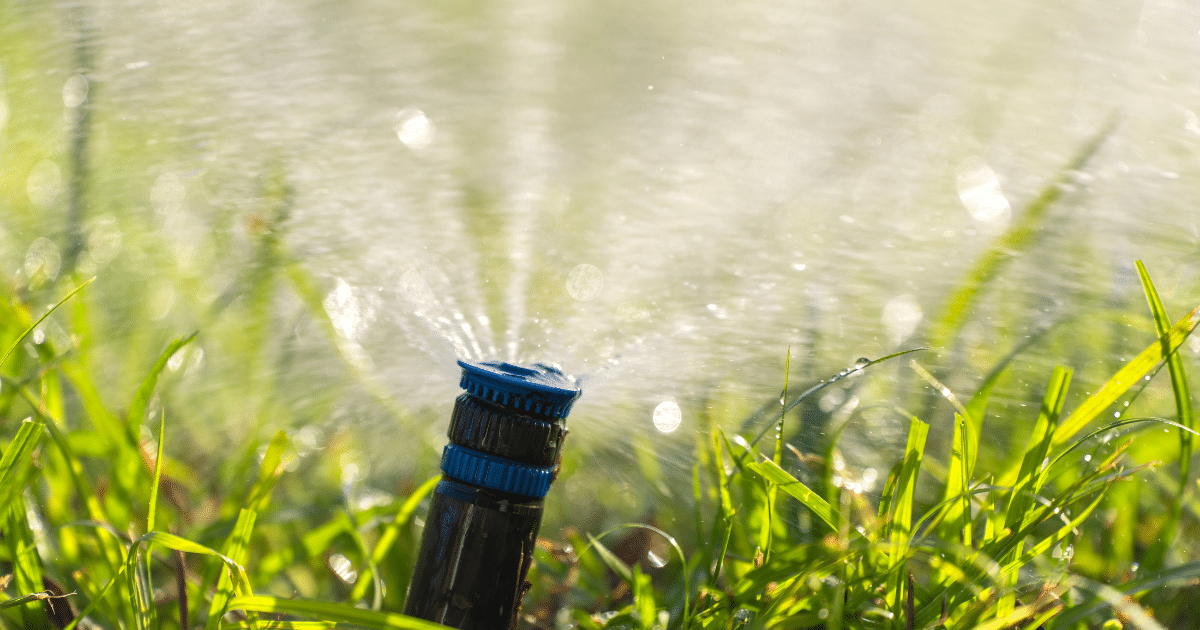
Step 5: Water Deeply, Not Frequently
Spring watering habits shape summer resilience.
Ideal Watering Strategy
-
1 to 1.5 inches of water per week (including rainfall)
-
Water deeply and less often
-
Early morning irrigation (before 10 a.m.)
Shallow, frequent watering leads to shallow roots. Deep watering encourages roots to grow downward, improving drought tolerance.
Step 6: Aerate If Needed
Not every lawn needs spring aeration—but compacted soil does.
Signs You May Need Aeration
-
Water pooling after rain
-
Hard, compacted soil
-
Thin grass despite proper care
Core aeration improves oxygen flow, nutrient absorption, and root growth. For heavily compacted Texas clay soils, aeration can significantly improve turf health.
Step 7: Address Bare or Thin Spots
Spring is a good time to evaluate problem areas.
For Bermuda Grass
Overseeding or encouraging lateral spread can fill gaps.
For St. Augustine
Sod plugs may be more effective than seed.
Correct underlying issues such as shade, drainage, or soil compaction before reseeding.
Common Spring Lawn Care Mistakes to Avoid
Even with good intentions, mistakes happen.
Starting Too Early
Applying fertilizer or herbicides before active growth wastes money and stresses turf.
Overwatering
Cooler spring temperatures require less water than summer. Overwatering promotes disease.
Ignoring Soil Health
Without understanding soil nutrients and pH levels, treatments may be ineffective.
Cutting Too Short
Short grass weakens roots and increases weed competition.
Benefits of Following Proper Spring Lawn Care Tips
When done correctly, spring lawn care delivers long-term results.
Thicker Turf
Dense grass reduces space for weeds to grow.
Improved Color
Balanced fertilization enhances natural green color.
Stronger Root Systems
Deep roots help lawns survive Texas summer heat.
Fewer Pest and Disease Issues
Healthy grass resists stress more effectively.
Professional Lawn Care Considerations
Spring lawn care involves timing multiple treatments correctly. Pre-emergent application, fertilization schedules, mowing height adjustments, and irrigation management all work together.
Professionals often evaluate:
-
Soil condition
-
Drainage
-
Shade coverage
-
Seasonal weather trends
A coordinated plan ensures that treatments complement each other rather than compete.
For homeowners who prefer a structured schedule, professional lawn care programs can help maintain consistency throughout the growing season while adapting to Texas climate patterns.
Frequently Asked Questions
When should I start spring lawn care in Texas?
Begin monitoring soil temperatures in late winter. Most active treatments begin once grass is at least 50% green and soil temperatures reach 65°F.
Is spring the most important lawn care season?
Yes. Spring sets the foundation for summer performance.
How often should I fertilize in spring?
Typically once in mid to late spring, followed by additional feedings in early and late summer.
Can I overseed in spring?
It depends on grass type. Bermuda can be overseeded more successfully than St. Augustine.
How much should I water in spring?
About 1 to 1.5 inches per week, including rainfall.
Build the Foundation Now for a Stronger Lawn Later
Spring is the reset button for your lawn. The right mowing height, properly timed fertilization, smart watering habits, and early weed prevention all work together to create thicker, healthier grass before the Texas summer heat arrives.
Following consistent spring lawn care tips helps you avoid common mistakes that lead to thinning turf and weed problems later in the year. Instead of reacting to lawn issues mid-season, you’re preventing them early.
If keeping up with mowing schedules, fertilizer timing, and weed control feels overwhelming, having a structured maintenance plan can simplify the process. You can learn more about ongoing lawn care maintenance options through Goat Kings Landscaping to see what a consistent, seasonal approach looks like. Whether you handle it yourself or prefer professional support, starting strong in spring sets the tone for the entire year.